

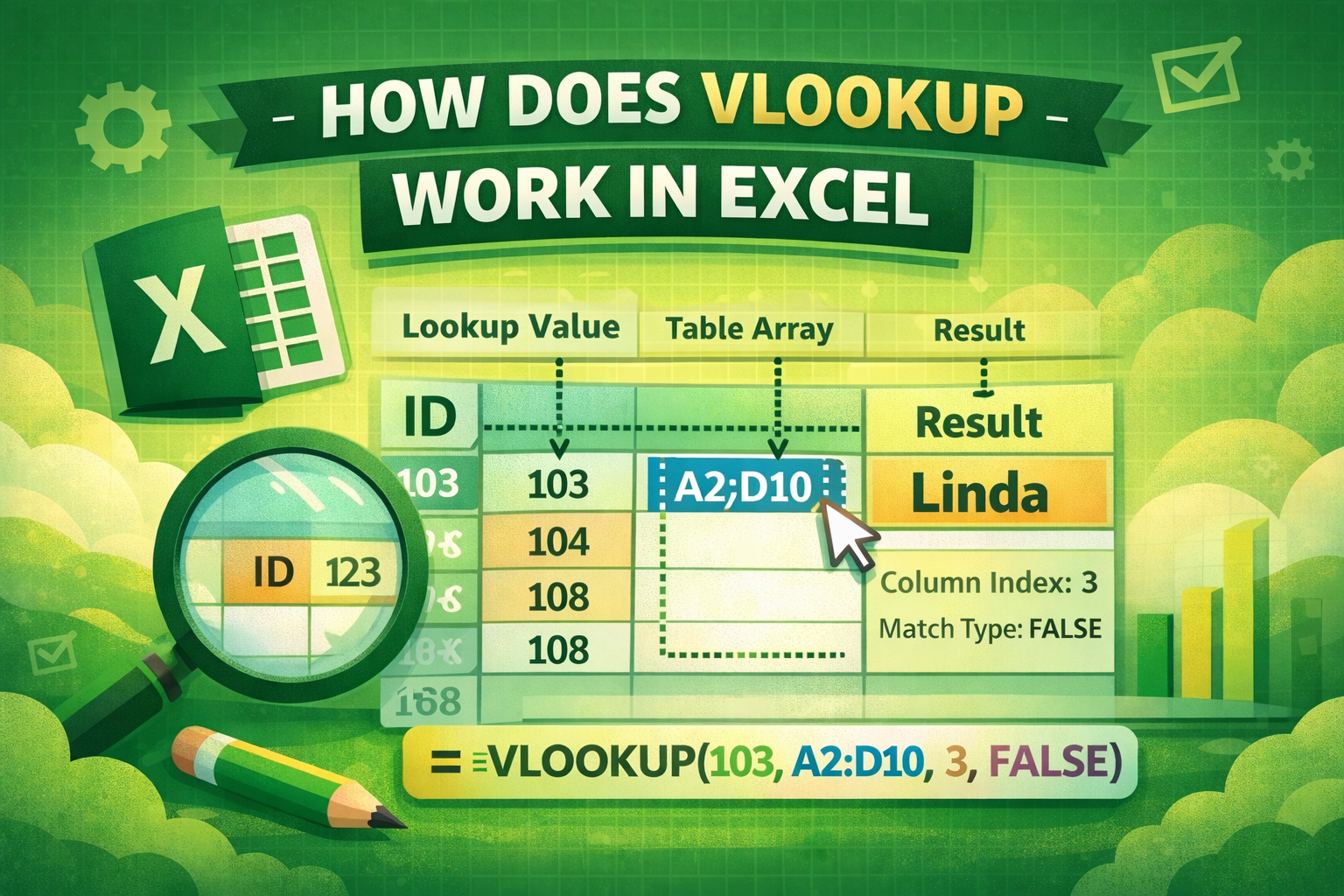
What is VLOOKUP?
VLOOKUP stands for Vertical Lookup. It is one of the most popular functions in Excel used to search for a value in the first column of a table and return a corresponding value from another column.
Why VLOOKUP is Important
- Saves time in large datasets
- Automates data retrieval
- Reduces manual searching
- Widely used in business reports
🔍 Understanding the VLOOKUP Formula
Syntax of VLOOKUP
=VLOOKUP(lookup_value, table_array, col_index_num, [range_lookup])
Explanation of Each Argument
| Argument | Description |
|---|---|
| lookup_value | The value you want to search |
| table_array | The range where data is stored |
| col_index_num | Column number to return value from |
| range_lookup | TRUE (approximate) or FALSE (exact match) |
⚙️ How Does VLOOKUP Work Step-by-Step
Step 1: Identify Lookup Value


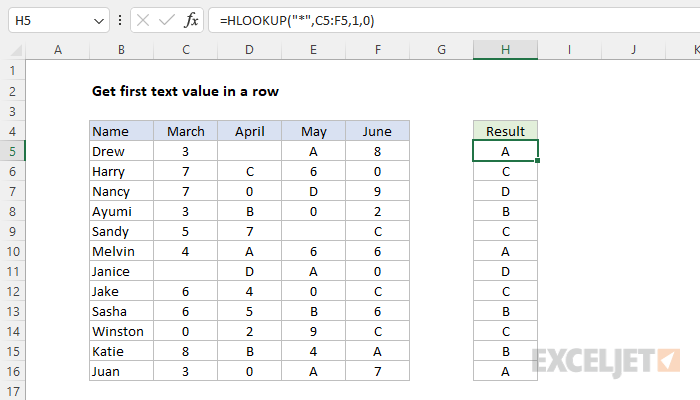

Choose the value you want to find (e.g., Employee ID).
Step 2: Define Table Array
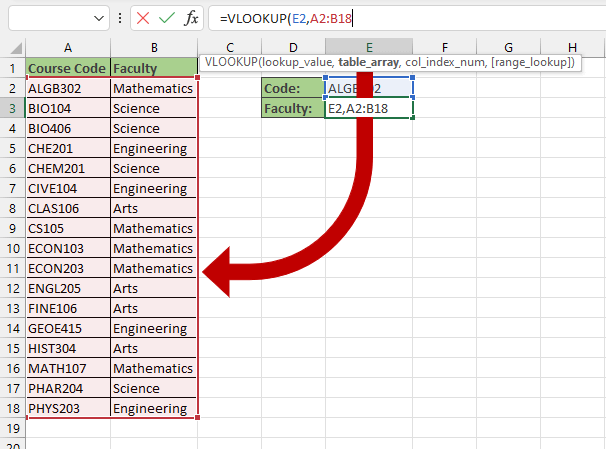
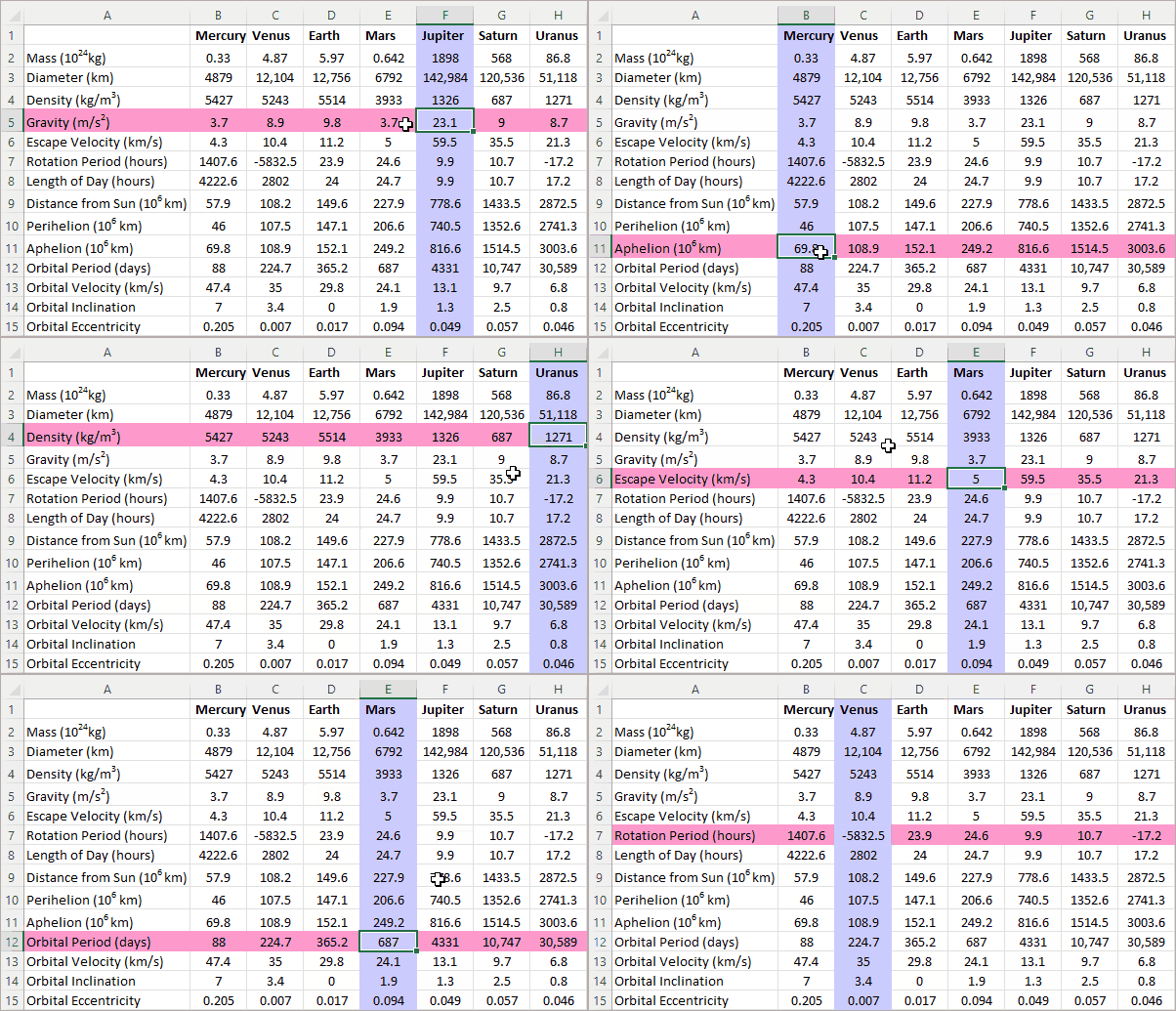
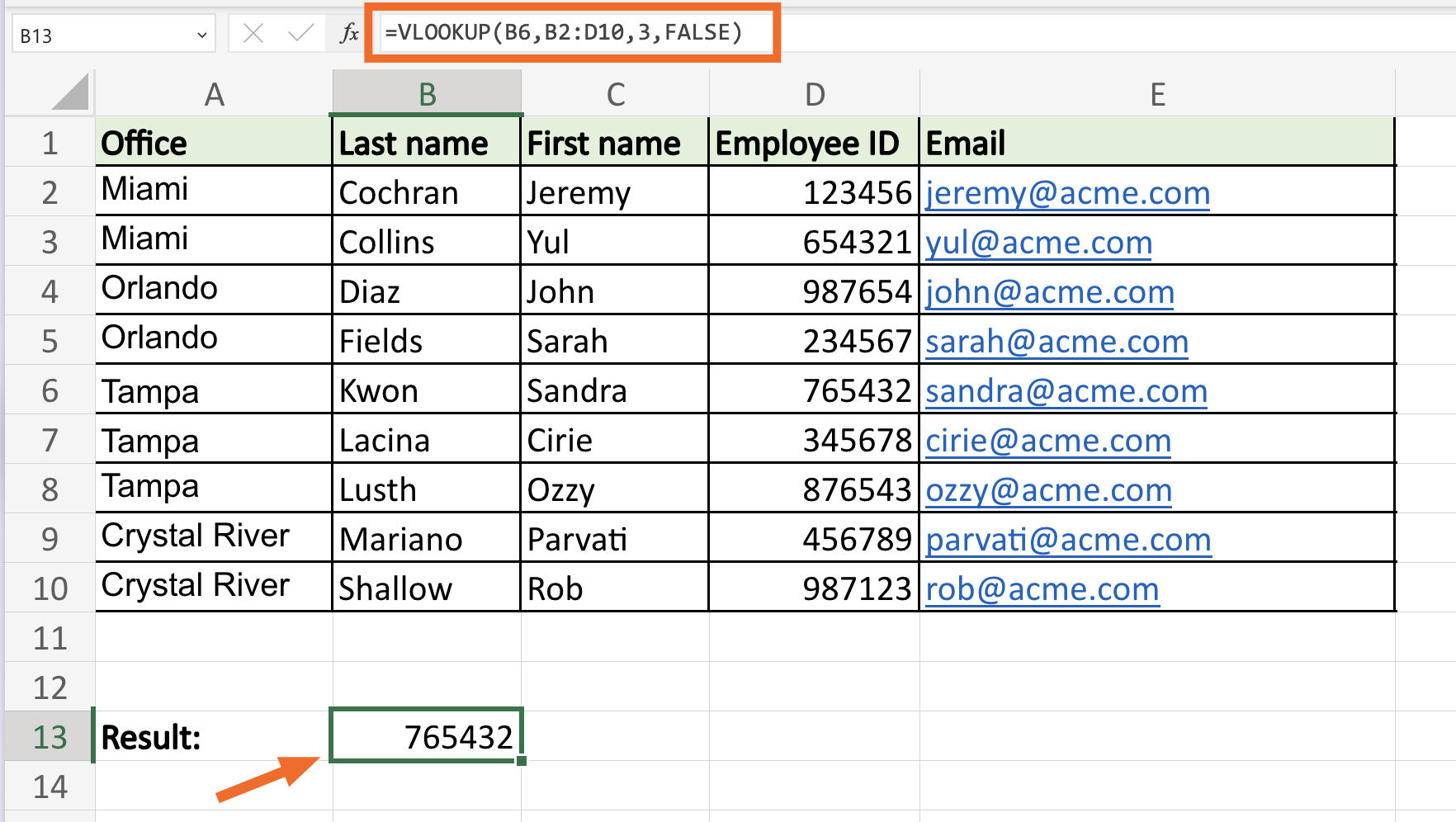
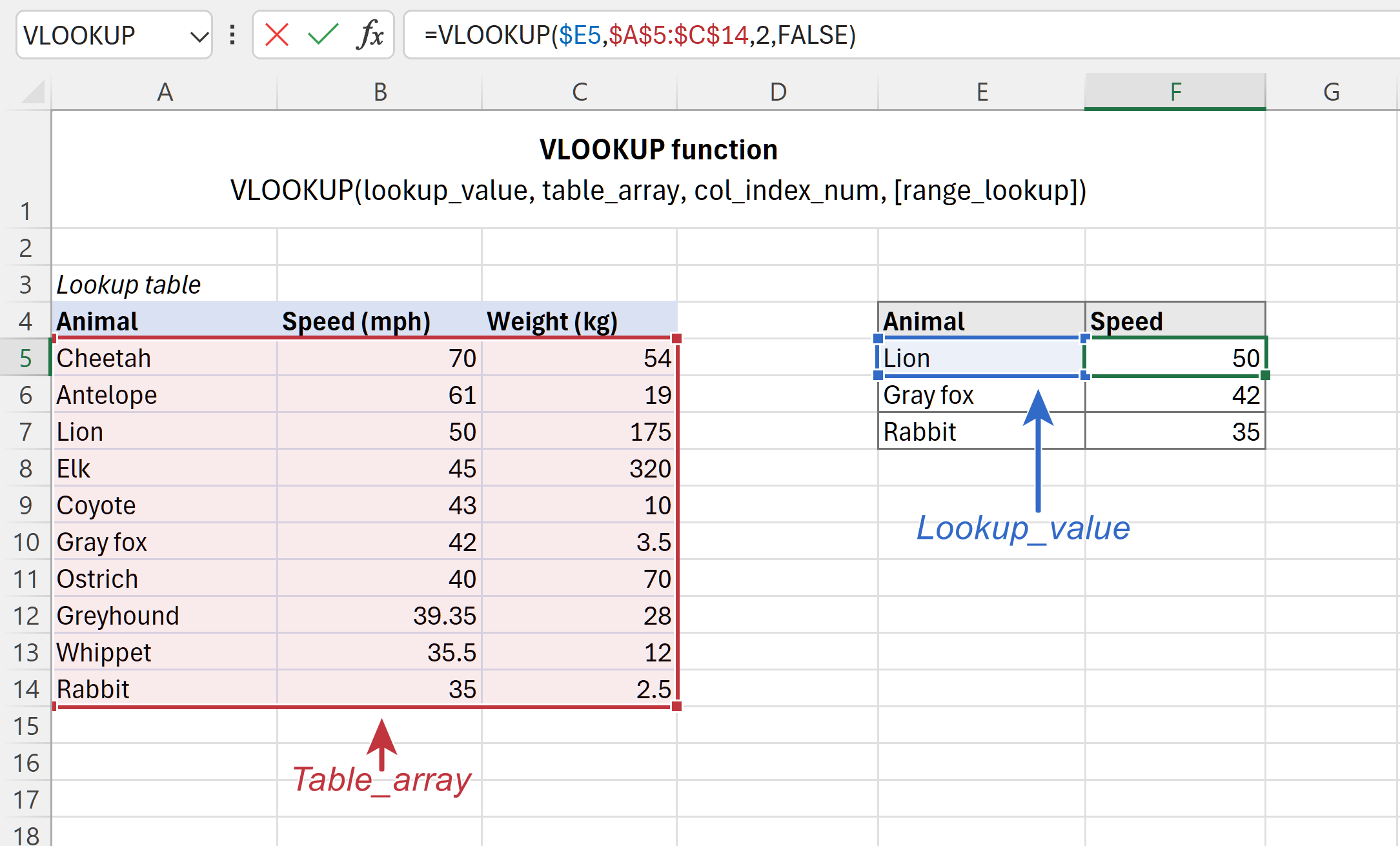
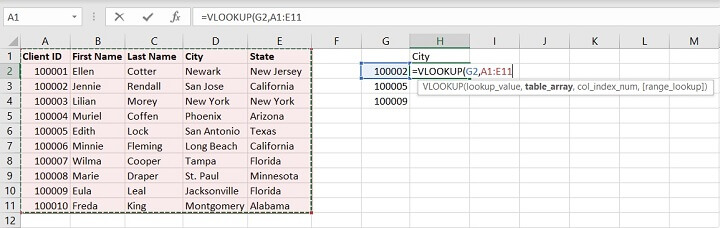
Select the range containing your data.
Step 3: Choose Column Index
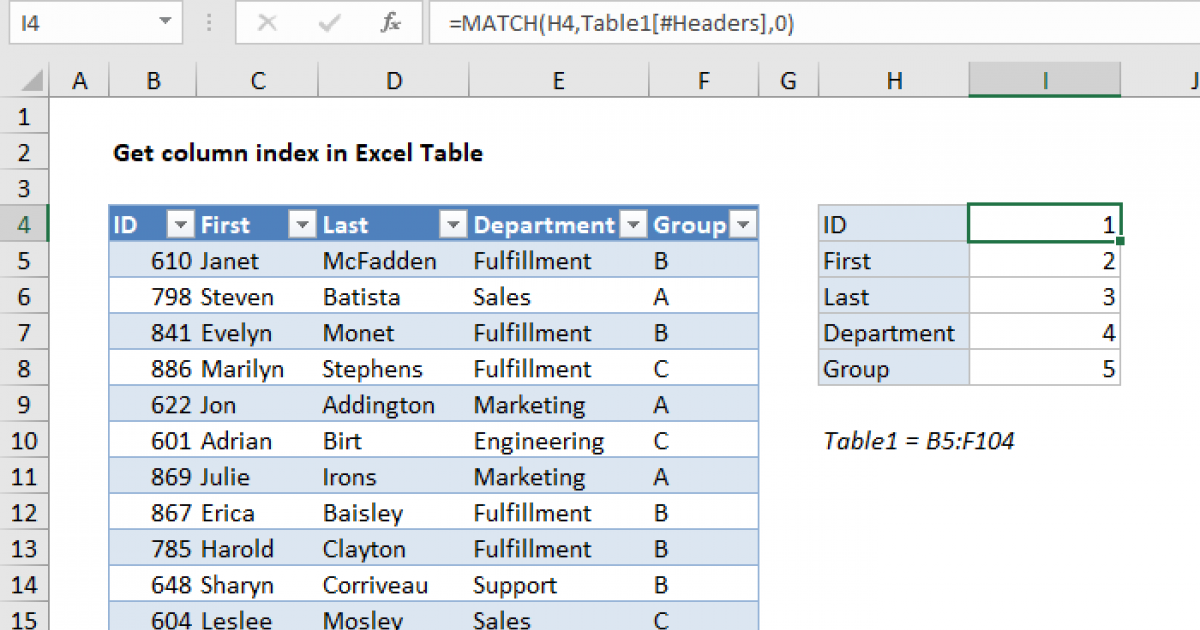
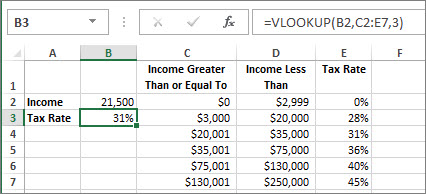

Decide which column contains the result you want.
Step 4: Select Match Type
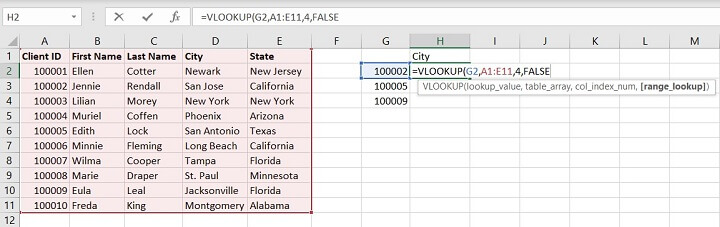

- FALSE → Exact match
- TRUE → Approximate match
📊 Practical Examples of VLOOKUP
Exact Match Example
=VLOOKUP(A2, A1:C10, 2, FALSE)
Returns the exact match from column 2.
Approximate Match Example
=VLOOKUP(A2, A1:C10, 2, TRUE)
Used for ranges like grades or tax brackets.
⚠️ Common Errors and Fixes
#N/A Error
- Value not found
- Fix: Ensure exact match or correct spelling
#REF! Error
- Column index exceeds table range
Incorrect Results
- Happens with TRUE match on unsorted data
💡 Advanced Tips for Using VLOOKUP
Using Named Ranges
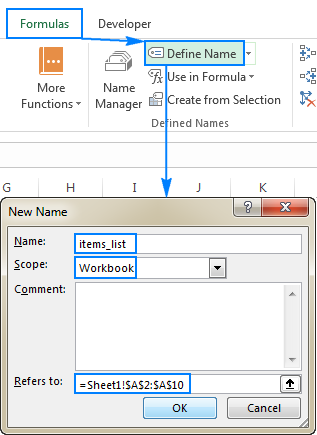
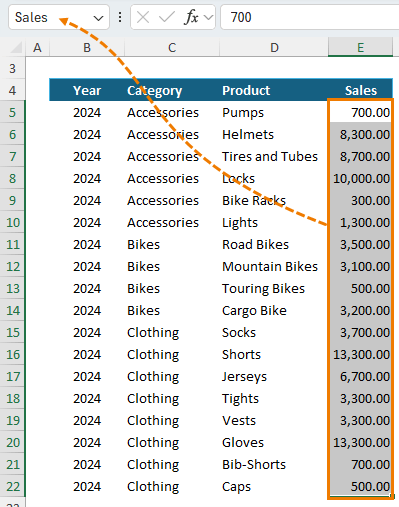
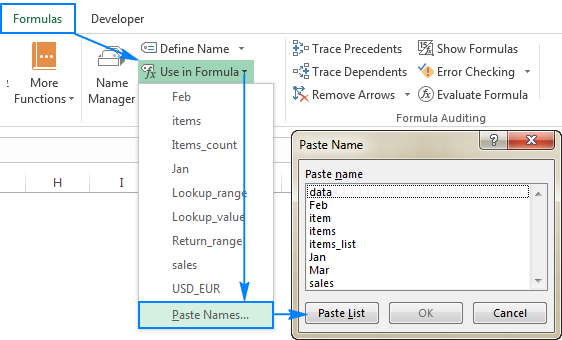
- Assign a name to your data range
- Use it in formulas for clarity
Combining with IFERROR
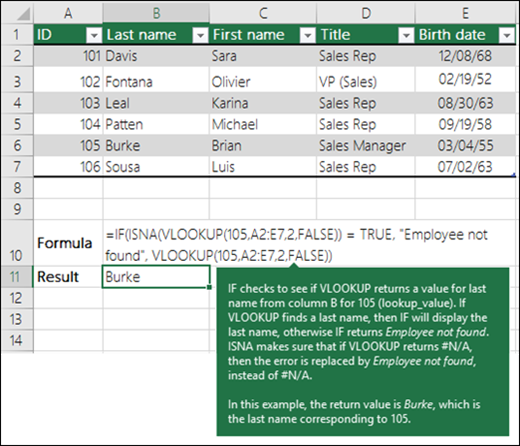
=IFERROR(VLOOKUP(A2, A1:C10, 2, FALSE), "Not Found")
Prevents errors from showing
🚫 Limitations of VLOOKUP
- Only works left to right
- Breaks if columns are moved
- Slower with large datasets
🔄 Alternatives to VLOOKUP
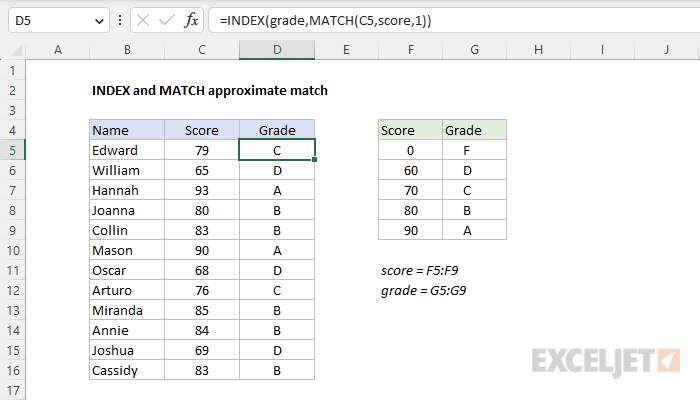
INDEX and MATCH
More flexible and powerful combination.
XLOOKUP
Modern replacement with better features.
📌 Real-Life Applications
- Employee databases
- Product pricing lookup
- Student result sheets
- Inventory tracking
🎥 Video Tutorial: How Does VLOOKUP Work
❓ FAQs
1. What does VLOOKUP stand for?
Vertical Lookup.
2. Can VLOOKUP search left?
No, it only works left to right.
3. What is the difference between TRUE and FALSE?
TRUE = approximate, FALSE = exact.
4. Why is VLOOKUP returning wrong values?
Your data may not be sorted or match type is incorrect.
5. Is VLOOKUP outdated?
Partially, XLOOKUP is replacing it in modern Excel.
6. Can I use VLOOKUP with text?
Yes, it works with both text and numbers.
✅ Conclusion
Understanding how does VLOOKUP work is a crucial step toward mastering Excel. It simplifies data lookup, boosts productivity, and helps automate repetitive tasks. While it has some limitations, it remains a powerful and widely used function.
By practicing the steps and examples above, you’ll quickly gain confidence using VLOOKUP in real-world scenarios. And once you’re comfortable, you can explore advanced alternatives like INDEX-MATCH or XLOOKUP for even greater flexibility.
