

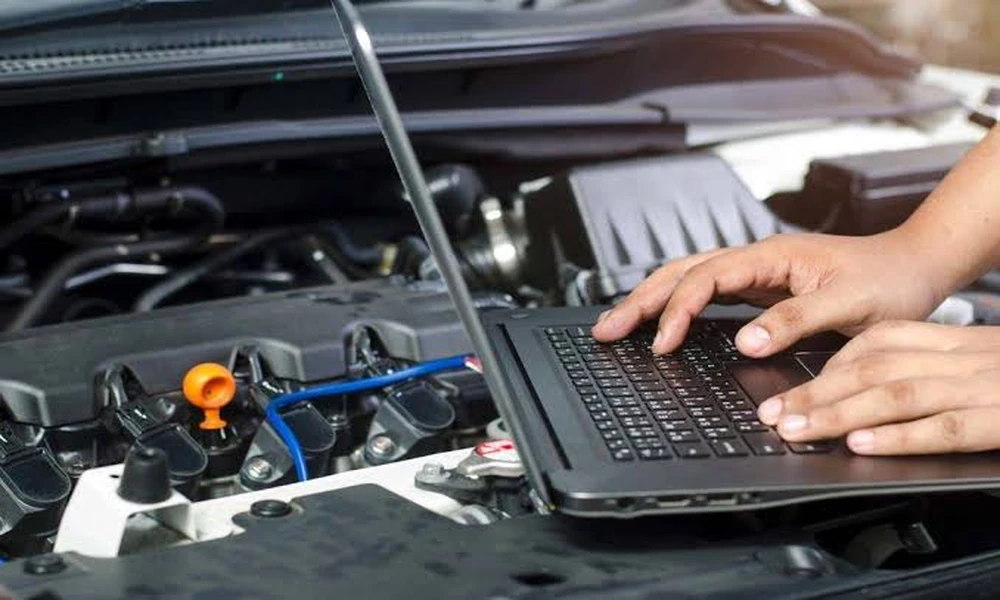
Water gets in, a component burns out or the unit simply stops talking to diagnostic equipment. When an engine control unit fails like that, the obvious worry is that all its stored data has gone with it. Often it hasn’t. ECU Data Transfer from a damaged unit is frequently still possible, though how the unit is treated before it reaches a specialist can make a big difference.
What Does “Dead” Actually Mean?
A unit described as dead might have very different problems. Sometimes the power supply circuit inside has failed, so the unit won’t wake up, but the memory chips holding the data are fine. In other cases, corrosion has damaged tracks on the circuit board while leaving the important chips intact.
In those situations, a specialist can often read the data directly from the memory chips, bypassing the parts that have failed. It’s when the memory itself is damaged or corrupted that things get harder.
Handling the Unit Before Sending
How the unit is treated in the meantime matters a lot. Disconnecting the battery before unplugging it avoids voltage spikes. Avoid repeatedly trying to start the car or connecting random diagnostic tools to a unit that’s already failing, since some faults get worse with each attempt.
It’s also best not to open the casing. Prising open a sealed unit can crack the board or damage components, and it makes professional recovery harder. Static can harm electronics too, so handle the unit by its case and keep it in an anti-static bag if one is available.
When Both Units Are Needed
Moving data onto a replacement means having both the original and the replacement unit together. A specialist reads the data from the original, recovers anything damaged where possible, and writes it to the replacement.
ECU Data Transfer works best when the replacement has the same hardware part number as the original. A close match means the data fits as expected and the car accepts the unit without fuss.
Fixing the Cause
If water was the problem, it’s worth finding out how it got in. Sending a recovered or replacement unit back into the same leaking spot just sets up another failure. Clearing drains, replacing seals or relocating the unit, where that’s practical, protects the repair.
Careful Before the Bench
Damaged doesn’t always mean lost. A lot depends on what failed inside the unit and how it’s been handled since. Disconnecting things properly, keeping the casing closed, avoiding repeated start attempts and getting it to a specialist quickly all improve the odds of recovering the data and getting the car running again.
