

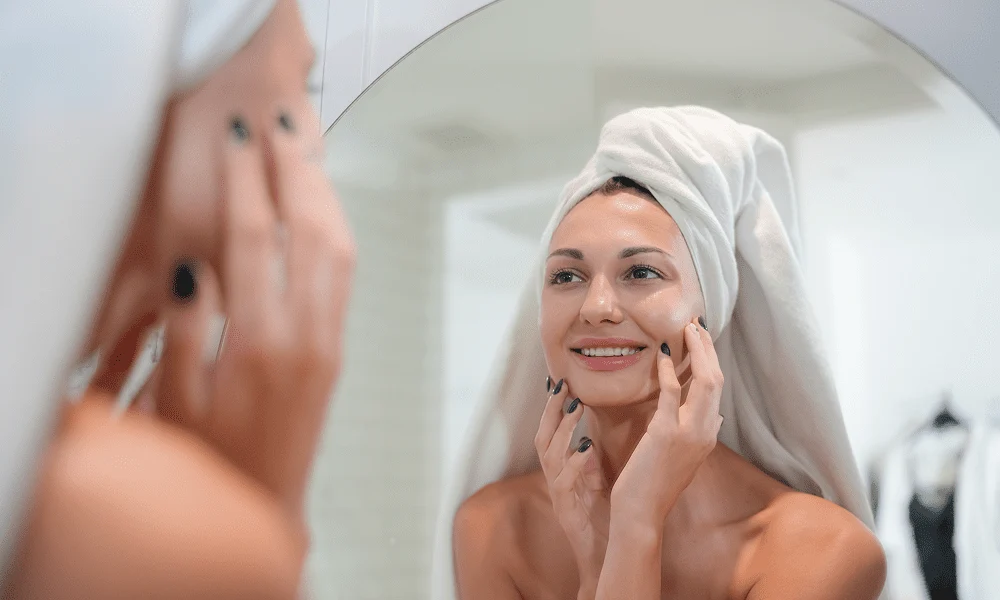
Most people associate skin ageing with wrinkles. They look in the mirror expecting to see deep lines as the first clue that their skin is changing. In reality, the earliest signs often appear much sooner and in ways that are easy to overlook.
A slight loss of glow, slower recovery after a late night, or skin that no longer feels as firm as it once did may seem insignificant at first. However, these subtle changes can signal shifts happening beneath the surface long before obvious wrinkles develop. Recognizing these early signs allows people to make informed decisions about their skincare habits and overall skin health.
Key Takeaways
- Skin ageing often begins with subtle changes rather than visible wrinkles.
- Loss of radiance, uneven texture, and reduced firmness can appear early.
- Environmental exposure, lifestyle habits, and natural ageing all play a role.
- Early attention to skin health may help maintain a healthier appearance over time.
- Consistent skincare and healthy lifestyle choices often have a greater impact than chasing quick fixes.
Dullness Often Appears Before Wrinkles
One of the earliest signs of skin ageing is a loss of natural radiance.
Many people notice that their skin no longer reflects light the way it once did. The complexion may appear tired even after a good night’s sleep. This change often develops gradually, making it easy to dismiss as temporary fatigue or stress.
As skin renewal slows with age, older skin cells can remain on the surface longer. This contributes to a duller appearance and can make the skin look less vibrant.
For individuals exploring ways to support overall skin health, Red Light Therapy may offer an additional avenue worth considering as part of a broader wellness and skincare strategy. Researchers continue to study its potential effects on cellular function and skin appearance, reflecting the growing interest in non-invasive approaches to skin support.
Fine Lines around the Eyes Can Be Easy to Miss
The eye area often reveals early signs of ageing before other parts of the face.
The skin around the eyes is thinner and more delicate, making it more vulnerable to changes caused by facial expressions, sun exposure, and natural collagen loss. Fine lines may initially appear only when smiling or squinting.
Because these changes develop gradually, many people do not notice them until they become more established.
Skin May Feel Less Firm Than Before
Firmness is another quality that tends to decline quietly over time. Many people first notice this change when applying skincare products or makeup. The skin may not feel as resilient or smooth as it once did. Some individuals observe subtle sagging around the jawline or cheeks before wrinkles become prominent.
This shift often reflects a gradual decline in collagen and elastin, two proteins that help maintain skin structure.
Uneven Texture Can Signal Early Ageing
Changes in skin texture often receive less attention than wrinkles, yet they can be among the earliest visible signs of ageing.
The skin may begin to feel rougher in certain areas or develop a less uniform appearance. Enlarged pores can also become more noticeable as skin loses elasticity.
These changes may occur years before deeper lines form, making them important indicators of evolving skin health.
Recovery Takes Longer
Younger skin tends to recover quickly from environmental stressors. As people age, they may notice that redness, dryness, or irritation takes longer to fade. A late night, dehydration, or exposure to harsh weather may have a more visible effect than it once did.
This slower recovery process often reflects changes in cellular activity and the skin’s natural repair mechanisms.
Hyperpigmentation Often Develops Gradually
Dark spots rarely appear overnight. Years of sun exposure can lead to uneven pigmentation that becomes more noticeable with age. These spots often emerge on areas that receive frequent sun exposure, such as the face, neck, chest, and hands.
Many people focus on wrinkles while overlooking pigmentation changes that may contribute significantly to an aged appearance.
Celluma Red Light Therapy
As interest in non-invasive skin wellness technologies continues to grow, Celluma red light therapy has become a topic of discussion within the skincare field. Researchers have explored how specific wavelengths of red light interact with skin cells and influence biological processes related to skin health.
Current studies continue to investigate its potential role in supporting cellular activity, skin appearance, and overall skin wellness. While research remains ongoing, experts generally view such technologies as part of a broader conversation about evidence-based approaches to skin care rather than a replacement for healthy habits and professional guidance.
The Neck and Hands Often Reveal Age First
Many skincare routines focus heavily on the face while neglecting the neck and hands. These areas experience significant environmental exposure over time and often show signs of ageing earlier than expected. Thinning skin, reduced firmness, and pigmentation changes can become noticeable if they are not included in daily care routines.
Paying attention to these regions may provide a more complete picture of skin health.
Looking Beyond Wrinkles
Skin ageing is a gradual process that involves far more than the appearance of wrinkles. Loss of radiance, uneven texture, slower recovery, reduced firmness, and pigmentation changes often appear first.
The challenge is that these early signs develop slowly, making them easy to ignore until they become more noticeable. By recognizing subtle changes early and maintaining consistent skincare, sun protection, healthy lifestyle habits, and evidence-based skin support strategies, individuals can better understand and care for their skin as it evolves over time.
The goal is not to stop ageing. It is to support healthy, resilient skin through every stage of life.
